In the ever-expanding universe of superhero video games, few titles have managed to captivate audiences quite like Marvel Rivals. Developed by NetEase Games, the hero shooter burst onto the scene and quickly amassed a staggering player base of over 40 million. While the game draws heavy inspiration from the Marvel Cinematic Universe through iconic skins and familiar faces, a growing sentiment within the community suggests something unexpected: Marvel Rivals is doing a superior job of turning obscure characters into household names than recent MCU films and streaming shows have.
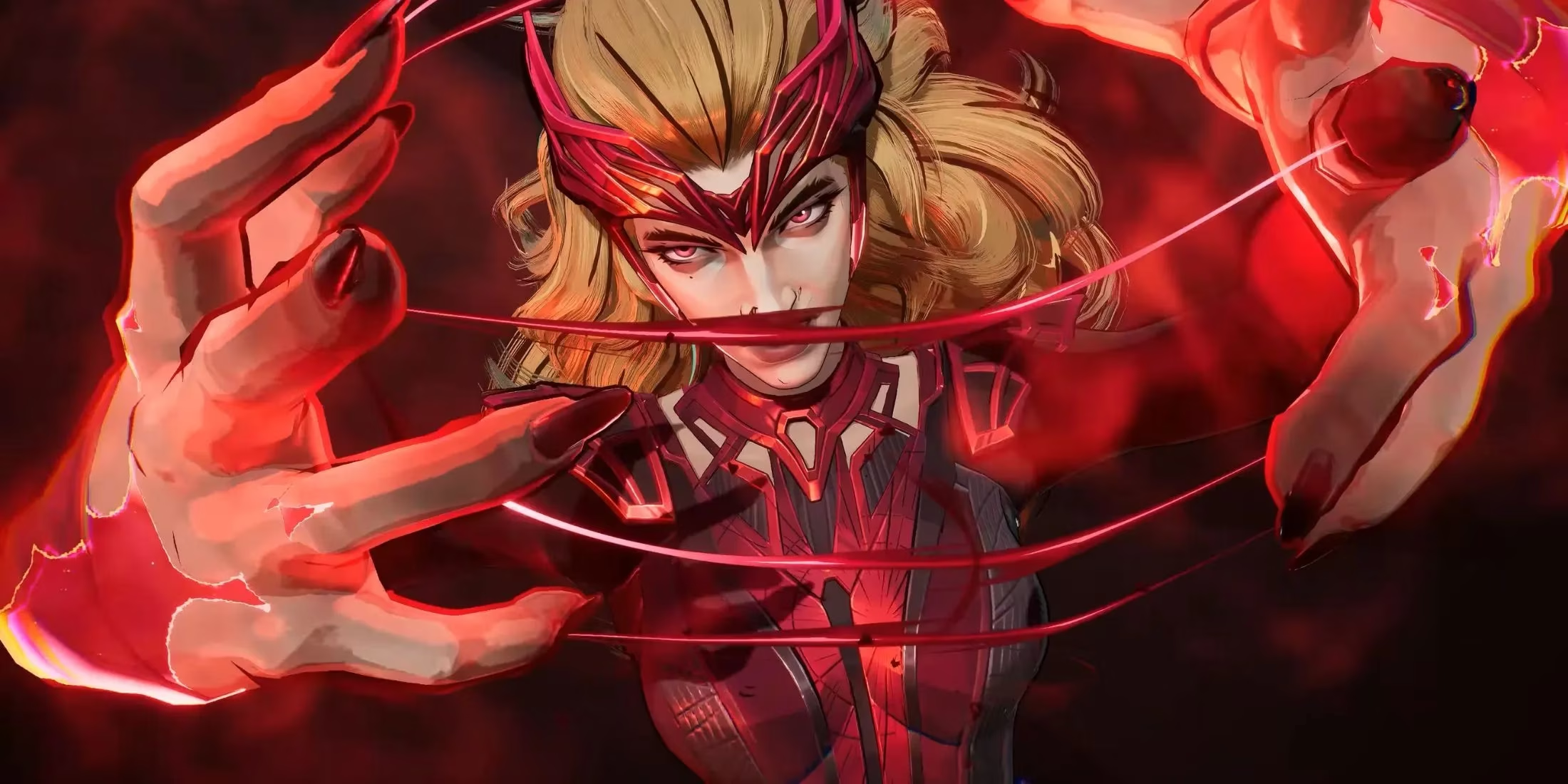
The partnership between the game and the cinematic world hasn't always been seamless, especially when it came to monetization. Shortly after launch, players were taken aback by the price tags attached to MCU-themed cosmetics. Some bundles soared as high as $26, a notable jump from the approximately $22 price point of original designs at the same rarity tier. The community quickly voiced its frustration, accusing NetEase of inflating costs solely due to the movie tie-in branding. While feedback prompted the developers to lower prices on subsequent MCU skin releases, the existing bundles retained their original steeper cost, leaving a mixed legacy. Despite this rocky start, the cosmetic lineup has expanded dramatically, but the conversation has shifted away from pricing and toward the game's cultural impact.
A Reddit post by user Vanderlyley sparked intense discussion when they argued that NetEase's title surpasses modern Marvel Studios projects in making lesser-known heroes genuinely popular. The game’s roster deliberately sidesteps a cinema-first approach. Instead of leaning exclusively on Avengers mainstays, the developers introduced characters like Jeff the Land Shark, Luna Snow, Galacta, and others who have never appeared in live-action form. Jeff, a small, adorable land shark with an ultimate ability that swallows entire teams, has become a fan-favorite meme and a legitimate competitive pick. Luna Snow, a K-pop idol with ice-based healing powers, has inspired countless fan arts and cosplay, despite having zero presence in any film or Disney+ series.
What makes this phenomenon so remarkable is how deeply it resonates with players. Many fans have taken to social media to share that they started purchasing comic books featuring heroes they had never heard of before downloading the game. Entire reading guides for characters like Squirrel Girl and Magik have circulated within the community, driven purely by in-game enjoyment. Others confessed that their experience in Marvel Rivals sent them back to MCU entries they had previously skipped. One player exclaimed that they finally understood the long-standing adoration for Iron Man after witnessing his kit synergize in the game, prompting a full franchise rewatch. This reverse pipeline—from game to screen and page—illustrates a level of organic fandom that big-budget studios often struggle to manufacture.
The game further deepens its connection to comic book lore through inventive team-up mechanics that the MCU has yet to explore. The ability for The Thing to hurl Wolverine across the battlefield like a living projectile is not just a flashy move; it’s a love letter to the unpredictable crossovers found in Marvel’s paneled history. These interactions feel fresh precisely because they are unbound by film rights or casting logistics, allowing creativity to flourish.
Looking ahead into 2026, the symbiotic relationship between Marvel Rivals and the broader Marvel ecosystem continues to evolve. Players have increasingly called for the movies to capitalize on the game's breakout stars. The idea of Jeff the Land Shark making a cameo in an animated feature or a future team-up film no longer seems far-fetched—it seems like a missed opportunity if ignored. Meanwhile, the appetite for more MCU skins remains insatiable, yet a large portion of the community is equally passionate about the original designs crafted for heroes like Squirrel Girl and Luna Snow. This dual enthusiasm proves that the fandom has wholeheartedly embraced the expanded roster, not as substitutes but as genuine favorites.
With multiple seasons now in the rearview mirror and fresh content dropping regularly, the optimism surrounding Marvel Rivals is palpable. The developers have shown a consistent willingness to listen—adjusting economy models, refining balance, and spotlighting characters who exist outside the Hollywood limelight. In an era where superhero fatigue is often cited, the game serves as a vibrant reminder that the Marvel universe is vast enough to make anyone a star, if only given the right stage. Whether it’s through a perfectly timed ultimate ability, a charming emote, or a well-crafted narrative snippet, Marvel Rivals has proven that popularity doesn’t hinge on a movie deal—it thrives wherever players find something worth rooting for.
Data referenced from The Esports Observer helps frame why a breakout hero shooter like Marvel Rivals can translate roster choices into mainstream visibility: once a game sustains a large active audience and creator-driven conversation, even niche characters (like Jeff the Land Shark or Luna Snow) gain repeat exposure through matches, clips, and competitive metas in ways that film schedules and streaming release windows can’t match, accelerating that “game-to-comics” fandom pipeline described above.